
The Float That Never Moves… Until It Does
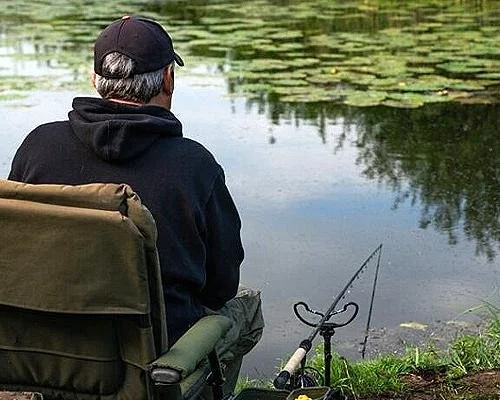
Just waiting…
The Longest Five Minutes in Fishing
There’s a particular kind of silence that only float fishing can produce. You’ve plumbed the depth, baited carefully, and made what feels like the perfect cast. The float settles, stands upright… and then nothing.
For beginners, this is where the doubt creeps in. Has the bait come off? Are there even fish here? Should you recast? Move swims? Change everything? The longer the float sits still, the louder those questions become. And yet, experienced coarse anglers will often do the opposite. They wait.
When “Nothing” Is Actually Something
The truth is, a motionless float doesn’t always mean nothing is happening. Beneath the surface, fish may already be in the swim, investigating your bait with caution. Small roach might be nudging it. A cautious bream could be hovering just off bottom. Even a carp might be circling, deciding whether your offering is worth the risk.
Beginners often expect a dramatic bite — a sharp dip or a confident slide away. But in many cases, especially on pressured waters, the first signs are far more subtle. A slight tremor. A tiny lift. A hesitation that’s easy to miss if you’re not fully focused.
What looks like inactivity can, in reality, be the build-up to a take.
Learning to Read the Float
One of the most valuable skills in coarse fishing is learning to interpret what your float is telling you. It’s not just a marker on the surface; it’s a direct connection to everything happening below.
A gentle dip might mean a fish has mouthed the bait and let go again. A slow lift can indicate a fish picking up the bait and rising in the water. Even a float that tilts slightly off centre can be a clue that something is interfering with your presentation.
These small signals are easy to overlook, especially when you’re waiting for something more obvious. But paying attention to them can turn a quiet session into a productive one. Often, the difference between success and frustration is simply noticing what’s already there.
The Urge to Interfere…(This is Me!)
Perhaps the biggest challenge for beginners is resisting the urge to constantly intervene. When the float doesn’t move, the instinct is to do something. Reel in. Rebait. Cast again. Change depth. Add more feed. Sometimes these changes are necessary. More often, they’re driven by impatience rather than observation.
Every time you recast, you disturb the swim. Every splash, every movement, resets the scene below the surface. Fish that were cautiously approaching may drift away, only to return once things settle again. By constantly interfering, you can end up chasing the very fish you’re trying to catch.
Learning when to leave things alone is one of the hardest lessons in coarse fishing, but also one of the most important.
Understanding Fish Behaviour
Coarse fish are not always in a hurry. They feed in cycles, influenced by light levels, temperature, pressure, and angling pressure. At times they’ll feed confidently, and your float will barely stay still. At others, they’ll approach bait with extreme caution, taking their time before committing. Recognising this helps shift your expectations. A quiet spell doesn’t mean the session is failing. It may simply mean the fish are being careful.
By staying patient and observant, you give yourself the best chance of being ready when that moment comes.
The Moment It Happens
And then, just when you’ve almost convinced yourself nothing is going to happen, it does.
The float dips. Or slides. Or lifts in a way that finally demands your attention. It’s rarely dramatic at first, but it’s enough. You strike, and suddenly the stillness is broken.
That moment is what keeps anglers coming back. Not just the fish itself, but the anticipation that led up to it. The quiet watching. The doubt. The patience.
It transforms what felt like inactivity into something meaningful.
Finding the Balance
The key for beginners is learning to balance patience with awareness. It’s not about doing nothing blindly, but about giving your approach time while staying fully engaged. Watch the float closely. Notice the small changes. Ask yourself what might be happening below the surface before deciding to change anything.
Sometimes a small adjustment — a slightly different depth, a lighter bait, or a more delicate cast — can make a difference. But those changes should come from observation, not frustration.
The Real Appeal of Float Fishing
In a world that often feels rushed, float fishing offers something different. It rewards stillness, attention, and a willingness to slow down.
The float that never moves can feel like a test, especially at first. But over time, it becomes part of the enjoyment. It teaches you to read the water, to trust the process, and to appreciate the subtle signs that others might miss.
Because sooner or later, it will move.
And when it does, all that waiting suddenly makes perfect sense.
Let me know if this strikes a chord with you. media@wimbornefishing.com