
From Blank to Success: How to Turn a Tough Session Around
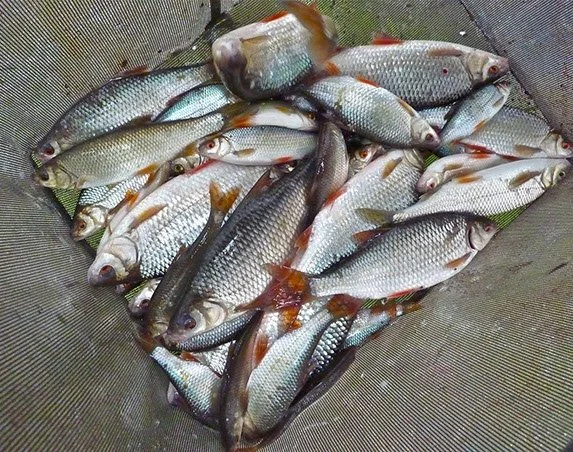
Every angler experiences difficult days on the bank. Whether you are fishing a familiar club water or trying somewhere new, blank sessions are an inevitable part of coarse fishing. On Wimborne & District Angling Club waters, changing conditions, angling pressure and fish behaviour can all contribute to slow results. The difference between going home frustrated and salvaging a session often comes down to your ability to adapt.
Understanding how to respond when bites dry up is one of the most valuable skills any angler can develop. With a calm approach and a willingness to make changes, even the toughest sessions can be turned around.
Understanding Why You Are Not Catching
Before making changes, it is important to consider why the fishing is slow. Fish may not be present in your swim, they may not be feeding actively, or your presentation may not be right. External factors such as weather, water temperature and angling pressure also play a significant role.
Taking a few minutes to observe your surroundings can provide useful clues. Look for signs of fish activity such as bubbles, surface movement or fish showing themselves. If nothing is happening in your immediate area, it may be a sign that you need to rethink your location.
Remaining patient while assessing the situation is key. Rushing into constant changes without understanding the problem can often make things worse.
Reassessing Your Location
One of the most common reasons for a poor session is simply being in the wrong place. Fish are not evenly distributed across a lake, and they often move depending on conditions.
If you are not seeing signs of life, consider relocating or at least exploring different lines within your swim. Margins, deeper water, features such as weed beds or overhanging trees can all hold fish at different times of the day.
Wind direction can also be important. A breeze pushing into a bank can carry food and oxygen, attracting fish to that area. Adjusting your position to take advantage of this can quickly improve your chances.
Adjusting Depth and Presentation
Fishing at the wrong depth is another common issue. Fish may be feeding on the bottom, suspended in mid-water or even close to the surface depending on conditions.
If bites are not forthcoming, altering your depth is one of the simplest and most effective changes you can make. Try fishing slightly overdepth to ensure your bait is settled, or shallower if fish are moving higher in the water.
Presentation is equally important. A bait that does not behave naturally is unlikely to be taken, particularly on pressured waters. Fine-tuning your rig, ensuring it is well-balanced and checking that your hookbait looks natural can make a significant difference.
Rethinking Your Bait and Feeding Approach
Bait choice and feeding patterns can have a major impact on results. If you are not getting bites, it may be worth trying something different.
Sometimes fish become wary of commonly used baits, especially on busy club waters. Switching to a more natural option such as maggots or worms can trigger interest. Alternatively, scaling down your hookbait can make it more appealing to cautious fish.
Feeding is another area to review. Overfeeding can quickly kill a swim, particularly when fish are not actively feeding. Reducing the amount of bait and feeding more sparingly can help draw fish in without filling them up.
On the other hand, if fish are present but not competing, introducing small, regular amounts of bait can encourage them to feed more confidently.
Changing Your Approach and Tactics
When a session is not going to plan, being flexible is essential. Sticking rigidly to one method can limit your chances, particularly if conditions have changed.
Switching tactics, such as moving from a static approach to a more active one, can help locate feeding fish. For example, a slow retrieve or regularly recasting can provoke a response when fish are not settling on the bottom.
Even small adjustments, such as changing hook size, altering line strength or varying the speed of presentation, can have a noticeable effect. These subtle changes often make the difference when fish are feeding cautiously.
Observing and Learning from Others
One of the most useful tools on the bank is observation. Watching other anglers can provide valuable insight into what is working on the day.
If others are catching and you are not, try to identify what they are doing differently. It may be their location, depth, bait or feeding pattern. Adapting your own approach based on these observations can help you quickly improve your results.
However, it is important to interpret what you see rather than copying blindly. Understanding why something is working will help you apply it more effectively.
Staying Positive and Focused
Mental approach plays a significant role in turning a session around. It is easy to become frustrated when bites are scarce, but negative thinking often leads to rushed decisions and poor adjustments.
Staying calm and methodical allows you to make considered changes and maintain confidence in your approach. Every session, even a difficult one, provides an opportunity to learn more about the water and the fish within it.
Persistence is often rewarded. Fish can switch on at any time, and being prepared when that moment comes can turn a blank into a successful outing.
Turning Challenges into Progress
Blank sessions are part of angling, but they do not have to define your day. By reassessing your location, adjusting your depth and presentation, refining your baiting strategy and remaining adaptable, you can significantly improve your chances of success.
WDAC waters offer a variety of conditions and challenges, making them ideal for developing these skills. Over time, the ability to troubleshoot and adapt becomes second nature, allowing you to approach each session with confidence.
Turning a tough day into a productive one is one of the most satisfying achievements in fishing. With patience, observation and a willingness to change, even the most difficult sessions can end on a positive note.
If you’d like to add anything to the conversation then please let me know…or why not have a go at writing a blog. Email media@wimbornefishing.com
Tight Lines
Gordy