
Junior Angling: How to Get Kids Started the Right Way
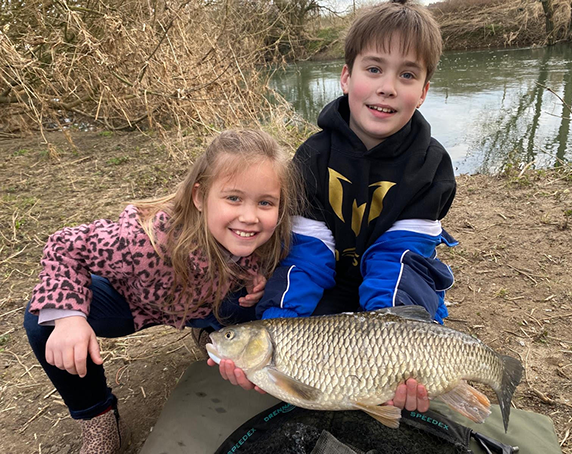
Introducing young people to angling is one of the most rewarding ways to support the future of the sport. For clubs like Wimborne & District Angling Club, encouraging junior participation not only strengthens the angling community but also helps build lifelong skills, confidence and respect for the environment. Getting children started the right way is essential, as early experiences often shape whether they develop a lasting interest.
Creating a Positive First Experience
The first few sessions are crucial in shaping a child’s attitude towards angling. Keeping things simple, relaxed and enjoyable should always be the priority. Long, quiet sessions with little action can quickly lead to boredom, so choosing venues where bites are likely is a good starting point.
Short sessions are often more effective than full days on the bank. This helps maintain focus and ensures that the experience remains positive. Success, even in the form of small fish, builds enthusiasm and confidence, making children more eager to return.
Patience and encouragement play a key role. Rather than focusing on technical perfection, allowing young anglers to learn at their own pace creates a more enjoyable environment.
Choosing the Right Tackle and Setup
Simple, easy-to-use tackle is essential when introducing juniors to fishing. A basic float fishing setup is often the best option, as it provides visual feedback and keeps children engaged. Watching a float dip beneath the surface creates excitement and anticipation that more static methods may not offer.
Light rods, small reels and balanced rigs make handling easier and reduce frustration. Complicated setups can overwhelm beginners, so keeping everything straightforward allows them to focus on the experience rather than the equipment.
Bait choice should also be simple and effective. Maggots, sweetcorn and worms are reliable options that regularly produce bites. Frequent action is far more important than targeting larger fish at this stage.
Teaching the Basics Without Overcomplicating
Introducing fundamental skills gradually helps build confidence without overwhelming young anglers. Basic casting, baiting a hook and striking at a bite are all important steps, but they should be taught in a relaxed and supportive way.
Demonstration is often more effective than explanation. Showing how to perform a task and then allowing the child to try it themselves encourages learning through experience. Mistakes are part of the process and should be treated as opportunities to learn rather than problems.
Understanding watercraft can also begin at an early stage. Encouraging children to observe the water, look for signs of fish and think about where they might be feeding helps develop awareness and interest.
Keeping Young Anglers Engaged
Maintaining engagement is one of the biggest challenges when fishing with children. Even on productive waters, there may be quiet periods, so having a flexible approach is important.
Changing tactics, adjusting depth or moving swims can help keep things active. Allowing children to make decisions, such as choosing where to cast or what bait to use, gives them a sense of involvement and ownership.
Celebrating small achievements makes a big difference. Every fish caught, no matter the size, is an accomplishment. Taking time to appreciate these moments helps build confidence and keeps enthusiasm high.
Promoting Respect and Responsibility
Angling provides an excellent opportunity to teach respect for nature and the environment. From handling fish carefully to keeping the bank tidy, young anglers can learn valuable lessons that extend beyond fishing.
Explaining the importance of fish care, such as wetting hands before handling and returning fish safely, helps instil good habits from the start. These practices ensure the sustainability of fisheries and promote a responsible approach to angling.
Respect for other anglers is equally important. Teaching simple etiquette, such as keeping noise levels down and giving others space, helps create a positive atmosphere on club waters.
Building Confidence
As skills develop, young anglers naturally gain confidence. Gradually introducing new techniques, such as fishing at different depths or targeting different species, keeps the experience fresh and engaging.
Progression should be steady and tailored to the individual. Some children may quickly develop an interest in more advanced methods, while others may prefer to stick with simple approaches. Allowing them to progress at their own pace ensures that enjoyment remains the focus.
Encouragement from parents, guardians and fellow club members plays a significant role. A supportive environment helps young anglers feel welcome and motivated to continue.
Supporting the Future of Angling
Encouraging junior participation is vital for the long-term future of angling. Clubs like WDAC play an important role by providing safe, well-managed waters where young anglers can learn and develop.
By creating positive early experiences, offering guidance and fostering a sense of community, we can inspire the next generation of anglers. These young participants not only carry the sport forward but also contribute to the continued care and appreciation of our fisheries.
Introducing children to angling is about far more than catching fish. It is about building confidence, developing skills and creating lasting memories. With the right approach, patience and encouragement, junior anglers can discover a lifelong passion that benefits both themselves and the wider angling community.
If you have any tips on how to engage youngsters. Let me know and I’ll post your tips here.
Tight Lines
Gordy