
Night Fishing: Where Every Splash Is Either a Monster Carp or Your Imagination
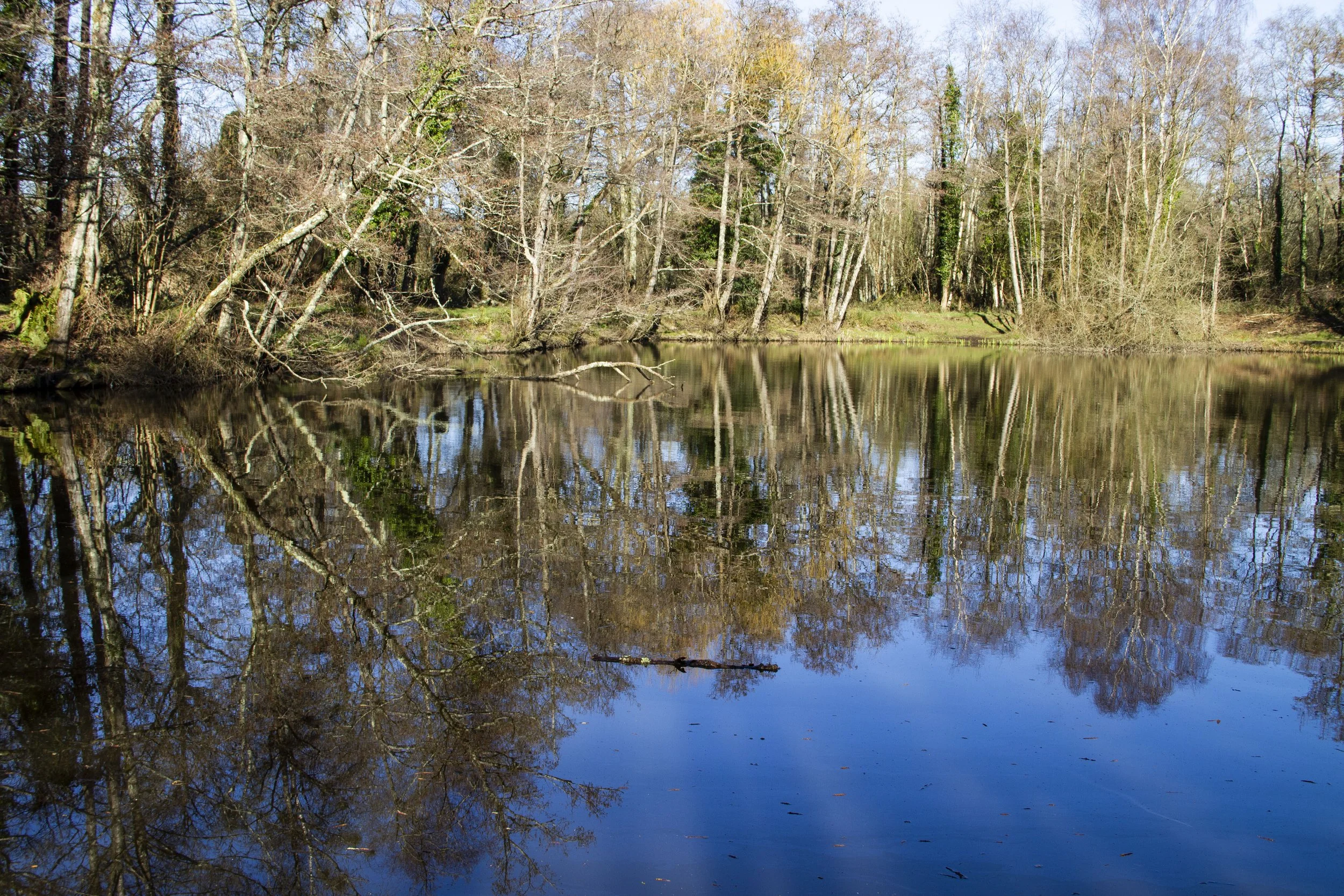
Kingsbridge
There’s something about night fishing that transforms even the most level-headed angler into a part-time detective, part-time philosopher, and full-time jumper at unexplained noises. By day, the lake is a familiar friend—calm, readable, and reassuring. But by night? It becomes a different creature entirely.
At Wimborne and District Angling Club, we know that once the sun dips below the trees and the last dog walker heads home, the atmosphere shifts. The water darkens into a mirror of shadows, the wind seems to whisper instead of blow, and every ripple suddenly matters. That gentle noise near your swim—was it a feeding carp… or just your imagination working overtime?
The first thing you notice is the sound.
During the day, there’s chatter, birdsong, maybe the distant hum of traffic. At night, those disappear, replaced by an orchestra of the unexpected. A sudden splash sounds ten times louder. A rustle in the bushes could be a harmless hedgehog—or, in your mind, something far more dramatic. Even your own movements seem amplified, like you’re disturbing some secret world that only comes alive after dark.
And then there are the shadows. Shapes that look perfectly ordinary in daylight take on a life of their own. That overhanging branch? Clearly a figure watching you. The clump of reeds? Definitely moved just then… didn’t it? Your brain, deprived of visual certainty, fills in the blanks with creative enthusiasm.
Anticipation.
Night fishing sharpens your senses because you know the big fish are more active. Carp, in particular, often feed confidently under cover of darkness. So every sound carries possibility. Every beep of the alarm could signal the fish of a lifetime—or a false alarm that leaves you laughing nervously into your tea.But that’s part of the magic.
There’s a unique camaraderie among night anglers. Even when you’re fishing solo, you feel connected to others who’ve sat under the same stars, jumped at the same splashes, and told themselves, “This is definitely a monster carp.” It’s an experience that blends excitement, patience, and just a touch of the absurd.
That said, a successful night session isn’t just about bravery and imagination—it’s about preparation.
First and foremost:
A reliable headtorch is essential, and a backup is always a good idea. You don’t want to be fumbling in total darkness when you’re trying to land a fish—or untangle a line that’s mysteriously found its way into everything. Keep your setup organised so you can find what you need quickly without shining a light across the entire lake every five minutes.
Second, know your swim. If you’re fishing into the night, it’s best to arrive while it’s still light. Get familiar with your surroundings, note any hazards, and plan your casts. What seems like a clear path at dusk can become a stumbling hazard after dark. A bit of preparation here saves a lot of awkward moments later.
Warmth is another key factor. Even in the summer, temperatures can drop significantly overnight. Layers, a decent chair, and maybe a warm drink can make all the difference between an enjoyable session and a long, uncomfortable wait.
And let’s not forget the importance of staying alert. Yes, that splash could be a carp. But it could also be a coot, a falling twig, or simply a fish turning over at a distance. Learning to distinguish between “interesting” and “imaginary” takes time, and every angler develops their own sense for it.
Still, even the most experienced among us aren’t immune to the occasional heart-racing moment. That’s part of the charm. Night fishing reminds us that angling isn’t just about technique and results—it’s about atmosphere, storytelling, and the little thrill of the unknown.
So next time you find yourself by the water after dark, listening to the quiet and watching the shadows, remember: not every splash is a monster carp… but some of them just might be.
Got any n ight fishing tales? Let me know: media@wimbornefishing.com
Tight Lines
Gordy