
Reading the Water Without Overthinking
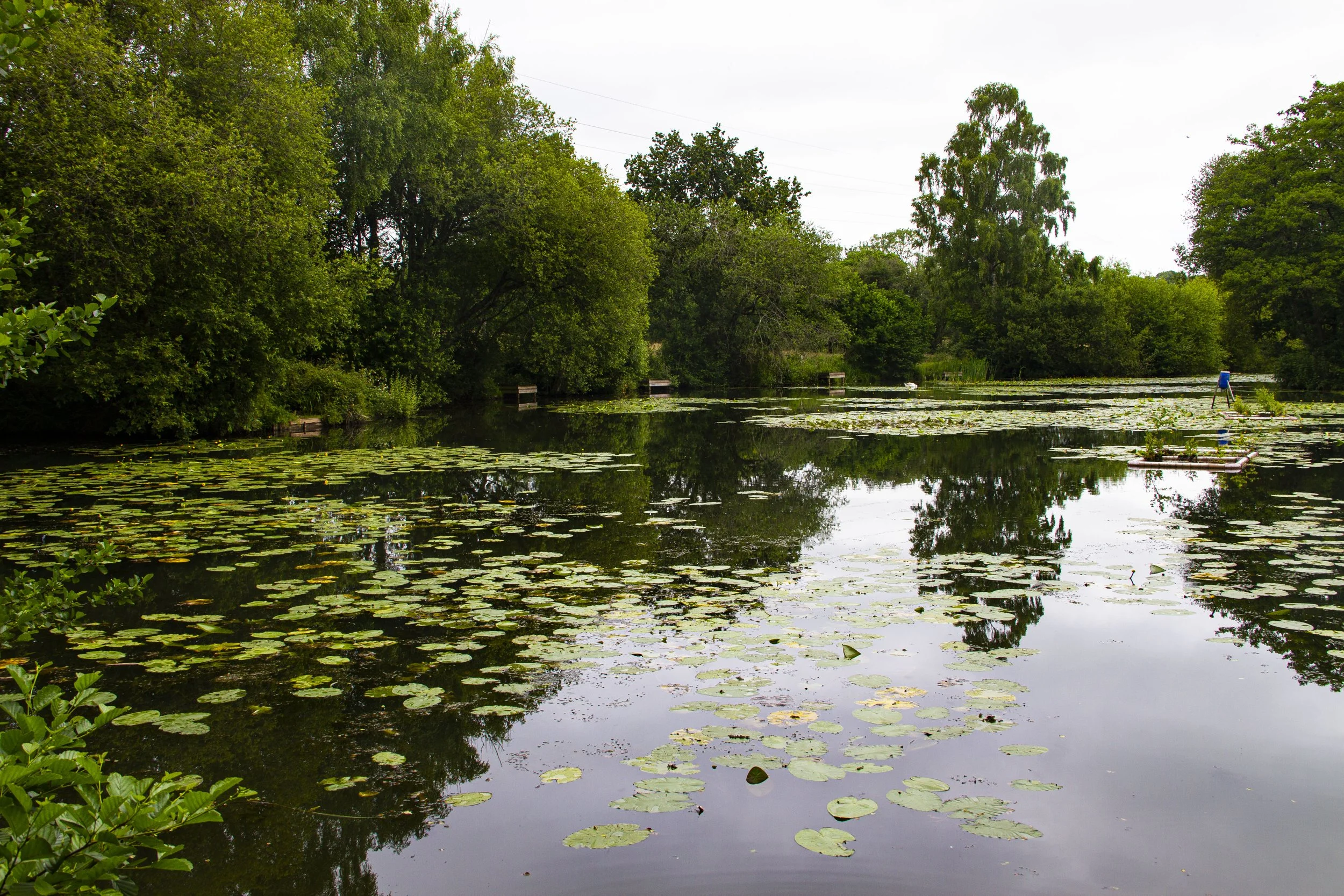
Edmonsham Lakes in Early Summer
When you first arrive at a lake, it’s normal to feel unsure about where to start. Unlike rivers, there is no obvious current to guide you, and much of the water can look the same. Many anglers end up casting straight out in front of them and hoping for the best.
In reality, still waters are full of subtle features that hold fish. The trick is learning to spot them without overthinking things. You don’t need years of experience or complicated theory. A few simple observations can quickly point you in the right direction and make your fishing far more effective from the start.
Look for What’s Different
The first step is to stop looking at the lake as one large, uniform area. Fish aren’t spread evenly. They congregate where conditions suit them, and that usually means somewhere different from the surrounding water. This could be anything from a change in depth to a patch of weed, a line of reeds, or even a slight colour change on the surface. These small differences are what you canfocus on.
If one area stands out visually, there is usually a reason for it, and it is often worth a cast.
Margins Are Often the Best Place to Start
One of the most overlooked areas on a lake is the margin. Many anglers instinctively cast as far as they can, assuming the fish are out in open water. In truth, coarse fish spend a lot of time close in, especially on waters that see regular pressure.The edges of a lake offer natural cover and food. Overhanging trees, reeds, lily pads and even slightly undercut banks all provide shelter and attract fish such as tench, bream, carp and roach.
It’s always worth having a look down the edge before you even think about casting out. In clear water, you may even spot fish moving through the margins.
Finding Depth Changes
Depth is a major factor in where fish choose to sit. Even in a lake that appears flat, there’ll usually be shelves, drop-offs or slightly deeper holes.
These features act as natural routes for fish to move along and can be natural holding areas. Fish often patrol along the base of a drop-off or sit just off the edge where the depth changes. Using a plummet to find these changes can make a big difference. Even a small variation in depth can be enough to affect fish.
As a simple guide, shallower areas tend to warm up more quickly and can be more active in the early morning and evening, while deeper water often holds fish during brighter conditions.
Weed Beds and Clear Patches
Weed is one of the most important features in many UK lakes. It provides oxygen, shelter and a natural food source, making it highly attractive to fish.
Rather than avoiding weed completely, it is often better to fish around it. The edges of weed beds are particularly productive, as fish will move in and out of the cover to feed. Equally important are the clear patches within or alongside weed. These spots act as natural feeding areas and are ideal places to present your bait.
You can often identify weed beds by darker patches in the water or by the way the surface looks slightly different in certain areas.
Watch the Water Before You Cast
One of the simplest but most effective habits is to spend a few minutes just watching the lake. Even when the surface looks calm, there are often small signs that reveal where fish are active.
Look for bubbling, which can indicate fish feeding on the bottom. Watch for subtle swirls or movement near the surface. Early morning and evening are particularly good times for spotting these signs. Bird activity can also be a clue. Areas where birds are feeding may indicate a concentration of natural food, which in turn can attract fish.
Wind and Light
Wind is another factor that can help you decide where to fish. A gentle breeze pushing into one bank will often carry food with it, making that area more attractive. On warmer days, this windward bank can be a good place to start. In contrast, on colder days, more sheltered areas may hold fish in more comfortable conditions.
Light levels also play a part. Bright sunshine can push fish into deeper water or closer to cover, while lower light levels often see them moving more freely around the lake.
Keep Your Decisions Simple
It is easy to get bogged down in too much detail, but reading a lake doesn’t need to be complicated. Focus on a few key things. Look for features, think about depth, and pay attention to signs of fish activity.
Even choosing a slightly better spot than the next angler can make a noticeable difference.
Over time, these decisions become easier and more instinctive.
Build Experience on Every Session
Every time you fish a lake, you are learning something new. You start to notice where fish tend to show, how they respond to different conditions, and which areas consistently produce.
These patterns build up over time, and before long you will arrive at a venue with a much clearer idea of where to start. By keeping things simple and paying attention to what’s in front of you, you can make better decisions from the very first cast and enjoy more consistent results on the bank.
What’s your approach to reading a lake? Get in touch with your ideas.
Tight Lines
Gordy