
Preparing Your Lakes for Autumn: The Quiet Work That Pays Off All Winter
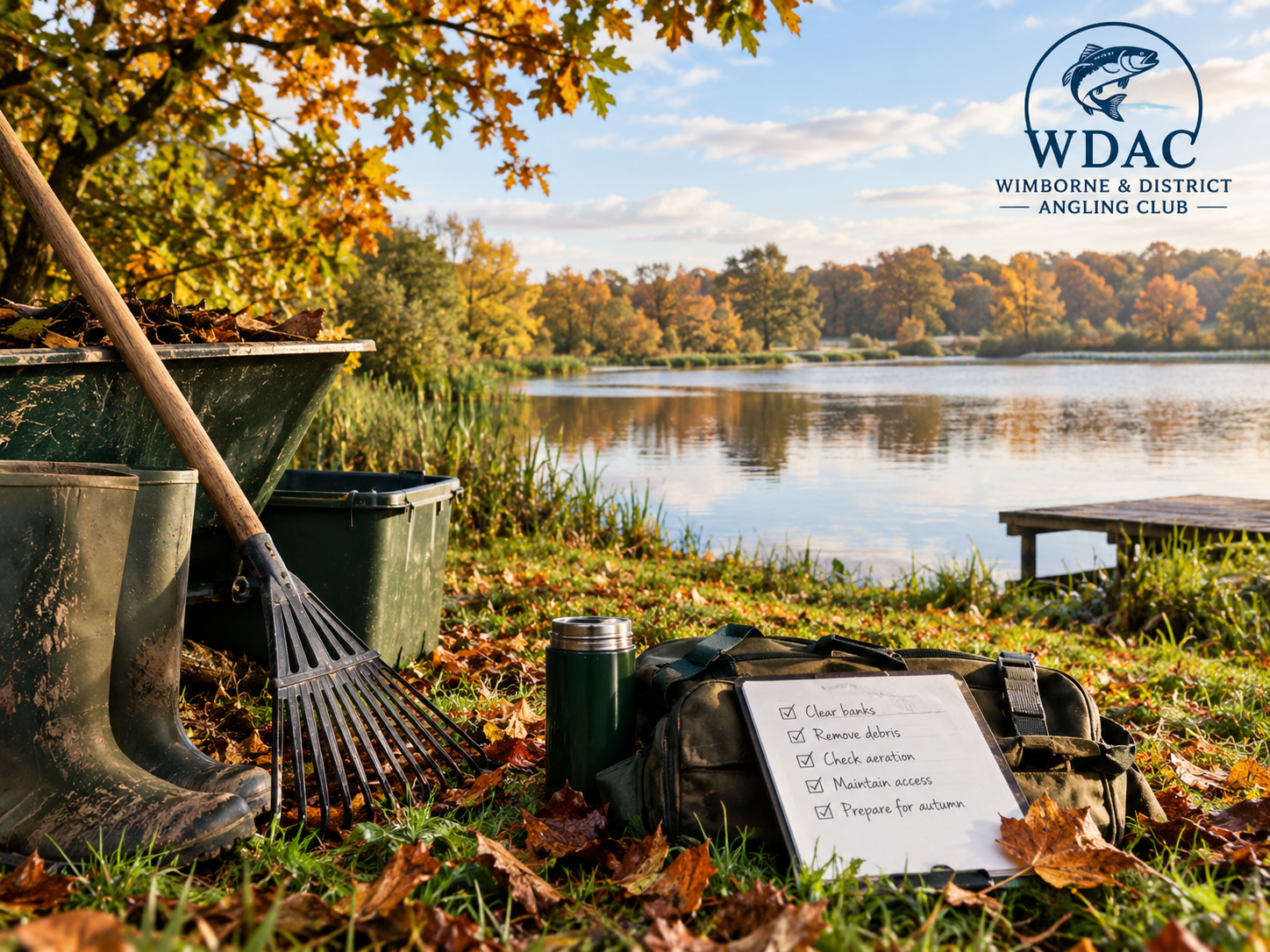
There is a moment each September when the light turns golden, the mornings carry a hint of mist, and the lake seems to breathe out after the busy summer. For anglers it is one of the best times of year, with cooler water, fish feeding hard and fewer crowds on the bank. Behind every good autumn session, though, there is usually a stretch of unglamorous work. A little effort now can make the difference between a lake that thrives through winter and one that struggles.
Why Autumn Is the Turning Point
Water temperature is the engine that drives everything in a still-water fishery. As the days shorten and nights cool, the metabolism of carp, tench, roach and pike shifts. Fish feed heavily to build reserves, weed growth slows, and the summer's algal blooms begin to fade. This is the ideal window to intervene, because the lake is changing anyway and our efforts can work with that change rather than against it.
Autumn is also kinder to wildlife. The main bird nesting season has finished, and amphibians are moving towards their winter refuges. Tree and bank side work carried out between now and late winter causes far less disturbance than the same jobs attempted in spring.
The Problem With Leaf Fall
Anyone who has fished a small, tree-lined water in November will know how quickly leaves can accumulate. A thick layer settling on the margins and drifting into bays does more than look untidy. As it rots, it consumes dissolved oxygen and releases gases into the water, and in a shallow or sheltered lake this can put real strain on fish, particularly during a prolonged mild, still spell.
The best defence is simple and hands-on. Raking or netting leaves from the surface and shallows before they sink is far easier than dealing with them once they have become sludge. Concentrate on the downwind corners, where the breeze pushes debris into a natural collecting point. Where a lake is overhung by mature oaks or willows, it is worth making regular passes through October and early November rather than waiting for one large clear-up. Compost what you collect well away from the water's edge, so nutrients do not wash straight back in.
Cutting Back Trees and Margins
Overgrown branches are a nuisance to casters and a hazard to tackle, but they also shade the water and shed vast quantities of leaf. Autumn is the right moment for sensible pruning. Removing low limbs from the most productive swims improves access and reduces the leaf load, while leaving other stretches wild preserves cover for fish and insects alike.
The same thinking applies to marginal plants. Reeds, rushes and irises are valuable, offering shelter for fry and a home for invertebrates, but left unchecked they can creep outwards and choke a swim. Cut back selectively, taking out the encroaching growth and leaving a healthy fringe. Aim for variety rather than a manicured edge, since a lake with a mix of open and planted banks supports far more life.
Looking After Swims, Pegs and Paths
Wet weather is on its way, and a bank that felt firm in August can turn to a slippery mess by December. Now is the time to walk the perimeter with a critical eye. Check that platforms and pegs are sound, replace rotten boards, and top up worn paths with fresh chippings or stone. Look for any spot where water is beginning to scour the bank, because small erosion problems become expensive ones over a wet winter.
Safety deserves particular attention. Low autumn sunshine, early darkness and damp surfaces all raise the risk of a fall. Clear trip hazards, make sure lifebuoys and signage are in place and visible, and consider whether any swims need better lighting or clearer access for anglers arriving before dawn.
Watching Water Levels and Inflows
Autumn rainfall can transform a lake within days. Inspect inlets, outlets and any overflow channels now, clearing fallen branches and matted leaves that could cause blockages. A restricted outflow during heavy rain can lead to flooding of the banks, while a blocked inlet may starve the water of fresh supply just when it is needed. It is a modest job, but one that regularly saves a great deal of trouble later.
Fish Welfare Going Into Winter
Finally, spend some time simply watching the water. Are fish showing normally? Is there any sign of stress, disease or unusual behaviour? Autumn is a good moment to spot problems early, while fish are still active and there is time to act. Take note of where they are congregating, as this often reveals the deeper, more stable areas they will favour once the temperature drops.
Good lake management is rarely dramatic. It is a matter of small, well-timed jobs done by people who care about the water. Help give your lakes that attention this autumn, and it will reward you with healthy fish and memorable winter sessions.