
Stop Fishing for Ten Minutes – Why Watching the Water Could Catch You More Fish
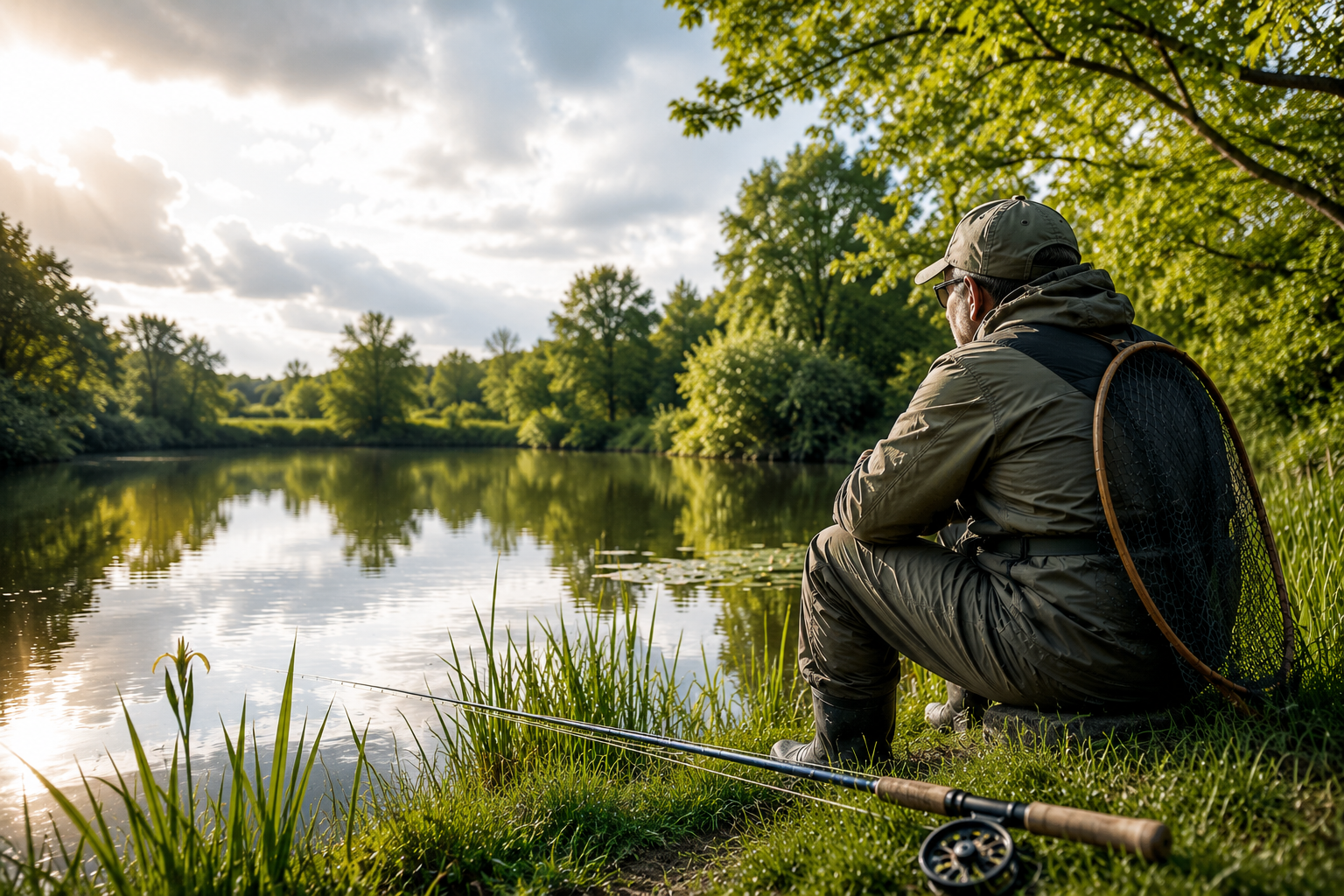
There is a strange habit shared by many anglers.
You arrive at the fishery, grab your tackle, choose a swim that looks promising and, within minutes, your bait is in the water.
After all, you have come fishing. Why would you want to spend the first ten minutes doing anything else?
But sometimes the best thing you can do when you arrive is nothing at all. Taking a few minutes to watch the water before you cast can tell you more about where the fish are than any amount of guesswork. It is a simple habit, costs nothing and can make a surprising difference to your day's fishing.
Learn to Look Before You Fish
Fish rarely distribute themselves evenly around a lake or river. They have food, shelter, oxygen and comfort to think about, and their preferred location can change throughout the day. Before choosing a swim, take a walk if the venue allows it. Look for anything that suggests fish are present.
A bubble breaking the surface could be a feeding fish. A swirl might reveal a fish turning just below the surface. Fry moving suddenly can be a sign that something larger is hunting them. You may even spot a carp cruising just beneath the surface or see the unmistakable flash of a fish as it turns.
And don't concentrate only on obvious activity. Sometimes what you don't see can be just as useful.A quiet area of water with overhanging vegetation, reeds, lilies or a change in depth may look uninteresting, but these features can provide food and cover. Fish don't always announce their presence. The key is to start looking at the water as a fish might.
Watch the Wind
Wind is another useful clue.
On a stillwater, the wind can push surface food and natural debris towards one bank, concentrating both food and fish. A windward bank can therefore be worth investigating, particularly if the conditions have remained consistent for some time.
But don't automatically assume that the fish will always be at the end of the wind. Temperature, depth, weed and the time of day can all influence where fish choose to be. That's why observation matters. The wind is a clue, not a guarantee.
On the River Stour, reading the water becomes even more important. Changes in pace, depth, slack water, weed and features along the bank can create areas where fish feel comfortable or where food naturally collects. The Club's Netherwood stretch, for example, contains both deep and shallow runs and a variety of swims, and the venue information specifically recommends spending time walking the stretch to locate shoals.
That's good advice for any river angler.
Don't Ignore the Unfashionable Swim
We all have a tendency to choose the swim that looks the most attractive.
Perhaps it has a lovely overhanging tree, a patch of lilies or a nice open area where you can comfortably cast. But fish don't care whether a swim looks good from the bank.
The most productive area might be a slightly awkward corner, a margin that looks too shallow or a patch of water that doesn't appear to have anything going for it. At venues such as Hatch Pond, the Club's own advice is to look for features because it is a relatively shallow lake. That is a useful reminder that the water itself should influence your decision, rather than simply choosing the most comfortable seat.
Give Yourself Ten Minutes
Try making a small change to your routine on your next WDAC outing.
When you arrive, don't immediately unpack everything.Spend ten minutes looking.Watch the surface. Check the wind. Look for features. Walk the bank where appropriate. Watch for fish, birds, insects and any other signs of activity. Then choose your swim. It may turn out that you were right first time and the swim you fancied really is the one to fish.
But you will now be fishing it because you have seen something that gives you confidence, rather than simply because it was the first swim you came to… and if you don't catch? You've still learned something.
Perhaps you noticed where the fish weren't. Perhaps the wind changed. Maybe you saw activity in a different area later in the session. Over time, those observations build into something every good angler needs: watercraft.The more you watch, the more you begin to recognise patterns, and that is the real advantage.
You stop simply fishing a venue and start understanding it.So next time you arrive at one of WDAC's many waters, resist the temptation to rush.Put the tackle down. Take ten minutes. Watch the water. The fish might already be telling you exactly where they are.