
When the Water Finally Comes Back
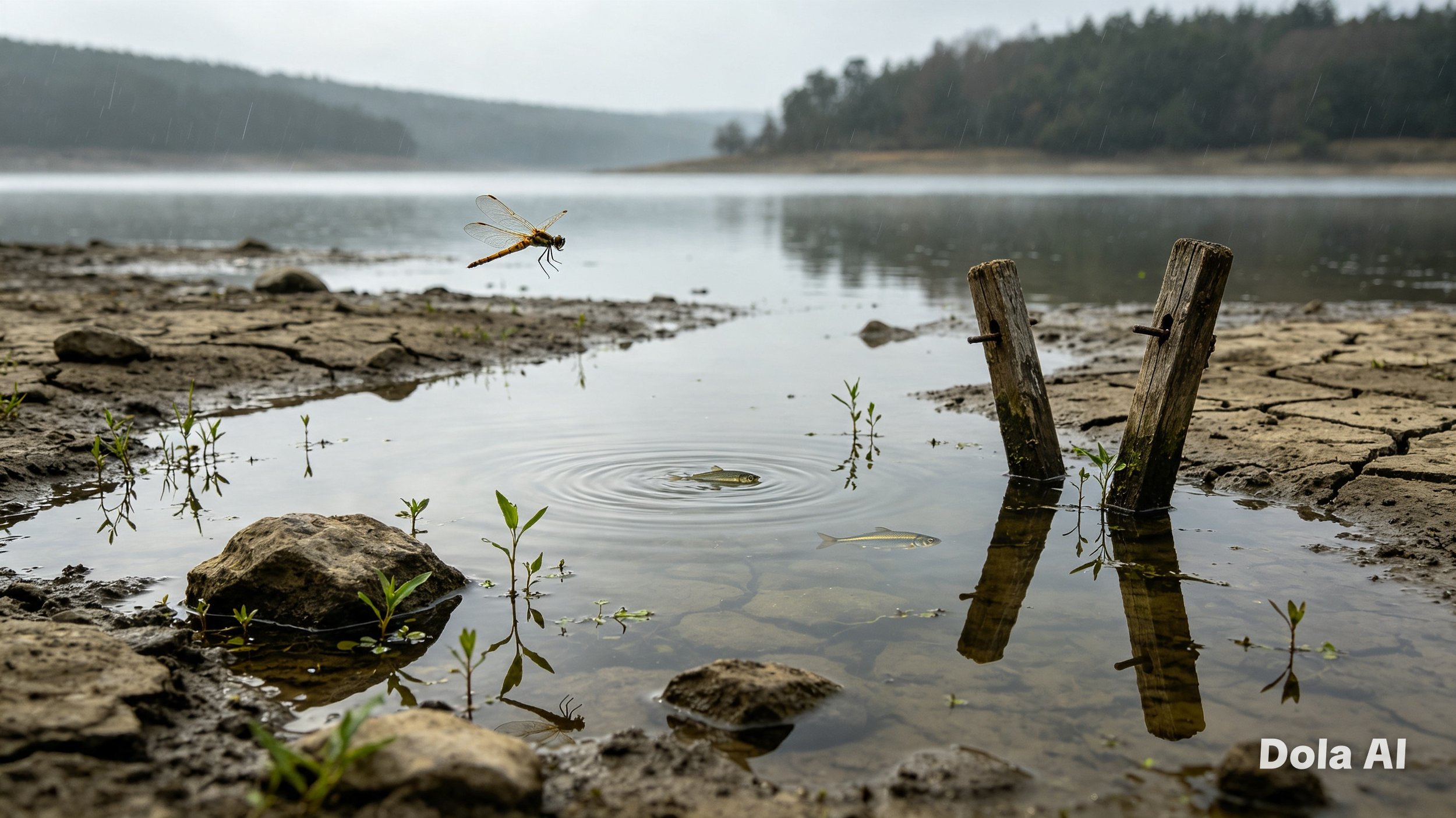
After what has felt like an exceptionally long and difficult period of dry weather, there is finally some reason for optimism. The drought has been a real challenge for our lakes, and while a few periods of rain don't instantly put everything right, seeing water levels begin to recover is certainly welcome. For anglers, it means the possibility of our fisheries gradually getting back towards something resembling normality.
But what actually happens to a fishery when the water finally comes back?
It's not quite as simple as filling the lake
It would be nice to think that once the rain arrives and the water level rises, everything simply returns to how it was. Unfortunately, nature doesn't work quite that quickly.
A lake that has experienced a prolonged period of low water has been through a period of considerable stress. Fish have had to cope with changing conditions, water temperatures may have been higher than usual and the available habitat can change as water levels fall. The recovery therefore takes time.
The good news is that water is exactly what our fisheries need, and sustained rainfall can gradually begin to reverse many of those changes.
More water means more room
For the fish, one of the most obvious benefits is simply having more water. As levels rise, the lake becomes a more spacious environment again. Areas that have become shallow or exposed begin to return to their normal state, giving fish access to habitat that may have been less useful during the dry period.
It also helps restore the character of the lake. Features that anglers normally take for granted — margins, depths, weed beds and different areas of water — can begin to return to their usual proportions. For a fishery, that matters.
The water itself matters too
Water level is only part of the story. Water temperature, oxygen levels, insect life and the condition of aquatic plants all play a part in the health of a fishery. These things are interconnected, so changes in one can influence several others.
As conditions improve, we should hopefully see the lakes settling back into their normal seasonal rhythm. That doesn't happen overnight, though.
A fishery is a living environment, not a swimming pool. You can't simply look at the water level and declare everything fixed.
What does this mean for anglers?
For members, the temptation after a difficult period is to get straight back to normal fishing as soon as conditions improve. And, naturally, we all want to do exactly that.
But this is also a good time to be observant. Look at the water. Notice changes in the margins. Watch the insects. Look for signs of feeding fish and changes in water clarity. See how the weed and aquatic life respond as the lakes recover.
After a period of unusual conditions, there may be plenty to learn simply by paying attention. And that is one of the pleasures of fishing. The lake is constantly changing, and the angler who notices those changes is often the angler who has the best idea of what to do next.
Recovery takes patience
There is also an important point for all of us to remember. We shouldn't expect the drought to be forgotten simply because the rain has returned.
The lakes have been through a difficult period, and their recovery will take time. Hopefully, continued rainfall will allow water levels to return to healthy levels and give the fisheries the opportunity to get back to normal.
For now, though, we can at least be encouraged by seeing water returning. After months of looking at falling levels and worrying about what the dry weather might mean for our fisheries, there is something rather satisfying about seeing the lakes filling again.
Sometimes you don't appreciate something quite as much as you should until you start to lose it. A healthy, full lake is one of those things.
Looking ahead
As WDAC members, we are fortunate to have fisheries that provide us with somewhere to fish, somewhere to learn and somewhere simply to enjoy being beside the water.
Hopefully, the worst of this prolonged dry spell is now behind us. There will undoubtedly be more changes to come as the lakes recover, and we'll be keeping an eye on how things develop.
In the meantime, perhaps the best thing we can do is give the water time, enjoy the improving conditions and look forward to getting our fisheries back to where we want them to be.
After all, there's nothing quite like looking at a lake that's finally got plenty of water in it and thinking:
Now that's more like it.